AI in Jobs & Workforce
AI Startups Are Coming for Traditional SaaS
A viral Twitter thread has ignited fierce debate over whether AI-first startups will displace traditional SaaS incumbents, reshaping the enterprise software landscape.
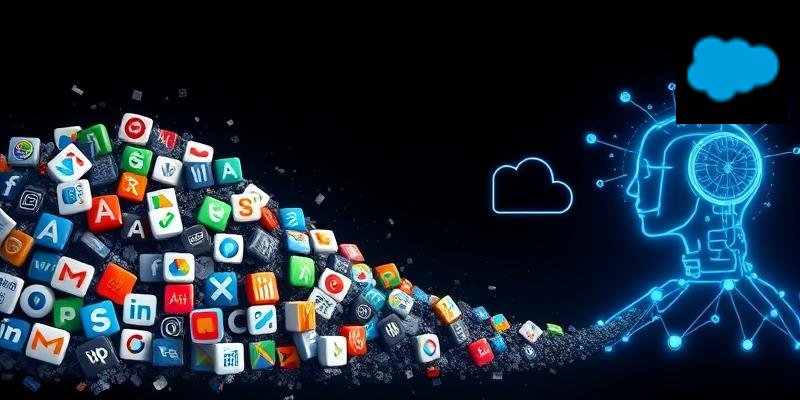
The Thread That Started It All
What began as a late-night tweet thread from a prominent VC has turned into the tech industry's most heated debate of 2026: are AI-native startups about to render traditional SaaS companies obsolete? The thread, which has now amassed over 45 million impressions, argues that the fundamental economics of software are shifting beneath the feet of incumbents.
The core thesis is straightforward but provocative: AI-first companies can deliver 10x the value at a fraction of the cost, because they replace entire workflows rather than just digitizing them. Traditional SaaS tools that charge per-seat for form-based interfaces are vulnerable to AI agents that can accomplish the same tasks autonomously.
"We're not talking about adding a chatbot to your CRM. We're talking about an AI that IS your CRM — it handles outreach, qualifies leads, books meetings, and updates the pipeline without a single human clicking a button." — from the original thread
The Data Behind the Disruption
The debate isn't purely theoretical. Recent market data supports the argument that a significant shift is underway:
- AI-native startups raised $47 billion in 2025, up 68% year-over-year, while traditional SaaS funding declined 12%
- Enterprise adoption of AI-first tools grew 340% in the last 18 months
- Average contract values for AI-native solutions are 2.3x higher than equivalent SaaS tools, yet customers report 40% lower total cost of ownership
- Churn rates for AI-native products average 4.2% annually vs. 8.7% for traditional SaaS
Morgan Stanley's latest enterprise survey found that 61% of CIOs plan to replace at least one traditional SaaS vendor with an AI-native alternative by the end of 2026. The categories most at risk include customer support platforms, data analytics tools, and marketing automation suites.
Founders and Investors Weigh In
The thread triggered a cascade of responses from founders on both sides. SaaS veterans argue that incumbents have massive advantages in data, distribution, and enterprise trust — moats that aren't easily disrupted by a better model.
"Every decade someone declares SaaS dead. First it was no-code, then blockchain, now AI. The truth is that enterprises need reliability, compliance, and support. AI startups still struggle with all three." — CEO of a $2B SaaS company
But AI-native founders counter that this time is genuinely different. Unlike previous waves, AI doesn't just change the interface — it changes the underlying unit economics. A team of 5 engineers with the right model can now build what used to require 50, and the product itself can improve autonomously with usage.
For professionals navigating this shifting landscape, tools like InterviewAlly can help you prepare for interviews at both AI-native startups and incumbent SaaS companies looking to transform their tech stacks.
Which SaaS Categories Are Most Vulnerable
Not all SaaS categories face equal risk. Analysts have identified a clear pattern: the more a product relies on manual data entry, rules-based logic, or template-driven output, the more vulnerable it is to AI disruption.
- High risk: Customer support ticketing, basic analytics dashboards, email marketing, social media scheduling, expense management
- Medium risk: CRM platforms, project management, HR information systems, e-commerce backends
- Lower risk: Infrastructure/DevOps, security, compliance-heavy verticals (healthcare, finance), deeply embedded ERP systems
The key variable is workflow complexity. Tools that automate simple, repetitive tasks are easy targets. Platforms deeply woven into regulated, multi-stakeholder processes have more defensibility — at least for now.
The Hybrid Future
Most industry observers believe the reality will land somewhere between the extremes. Rather than a wholesale replacement, we're likely to see a bifurcation: AI-native startups will dominate greenfield use cases and small-to-mid-market segments, while incumbents will acquire AI capabilities and retain enterprise customers through integration depth and compliance infrastructure.
"The winners won't be pure AI or pure SaaS. They'll be the companies that figure out the right blend of autonomous AI and human-in-the-loop workflows for their specific domain." — Partner at Andreessen Horowitz
What's undeniable is that the competitive pressure is real. SaaS companies that dismiss AI as a feature rather than a fundamental platform shift risk being caught flat-footed. The next 18 months will be decisive in determining which incumbents adapt and which become cautionary tales.
What This Means for Tech Workers
For engineers, product managers, and designers, this shift creates both risk and opportunity. Demand for professionals who can build AI-native products is surging, while roles focused on maintaining legacy SaaS platforms face uncertain futures.
- Job postings requiring AI/ML skills in enterprise software grew 215% year-over-year
- Salaries for AI engineers at startups now match or exceed Big Tech compensation
- Product managers with AI experience command a 35% salary premium over traditional SaaS PMs
- Design roles are shifting toward "AI interaction design" — a discipline that barely existed two years ago
Whether you're building the disruptor or defending the incumbent, understanding both the AI-native and traditional SaaS playbooks is becoming essential for career resilience in the tech industry.