OpenAI
OpenAI Recruits Ex-Tesla Engineers for Robotics
OpenAI is building out a robotics division by poaching top engineering talent from Tesla, signaling a bold new chapter in embodied AI development.
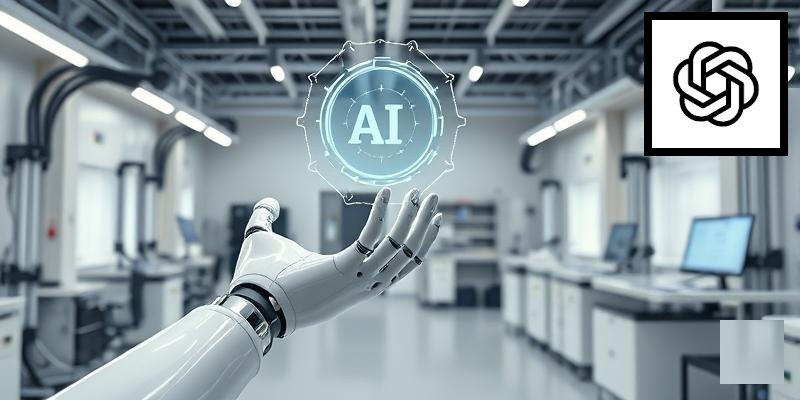
OpenAI Enters the Robotics Arena
OpenAI has confirmed it is actively recruiting former Tesla engineers to staff a new robotics division, marking a significant strategic pivot for the company best known for ChatGPT and GPT-series large language models. According to sources familiar with the matter, at least 15 senior engineers from Tesla's Optimus humanoid robot program have joined OpenAI in the past two months.
The move represents a return to robotics for OpenAI, which disbanded its original robotics research team in 2021 to focus on language models. Now, with foundation models reaching new levels of capability, the company believes the time is right to apply those advances to physical systems.
"We believe the next frontier of AI isn't just digital — it's physical. The convergence of large language models and robotics will unlock capabilities we've only imagined." — OpenAI spokesperson
Why Tesla Engineers Are the Target
Tesla's Optimus program has produced some of the most experienced robotics engineers in the industry. These engineers bring deep expertise in real-time perception, manipulation, and bipedal locomotion — skills that are exceptionally rare and in high demand across the AI industry.
Reports suggest OpenAI is offering compensation packages worth $800,000 to $1.5 million annually, including significant equity stakes, to lure top talent away from Tesla. The aggressive hiring has reportedly caused tension between the two companies, with Elon Musk publicly criticizing the poaching on social media.
Industry analysts estimate that fewer than 5,000 engineers worldwide have the combined robotics and AI expertise that OpenAI is seeking, making this a fiercely competitive talent market.
Strategic Implications for the AI Industry
OpenAI's robotics push has significant implications for the broader AI landscape. The company's $13 billion in funding from Microsoft gives it substantial resources to compete in hardware-adjacent AI research, an area traditionally dominated by companies like Boston Dynamics, Tesla, and Figure AI.
Key strategic considerations include:
- Foundation model advantage: OpenAI can leverage GPT-5 and beyond as the "brain" for robotic systems, potentially leapfrogging competitors who lack comparable language model capabilities.
- Enterprise applications: Warehouse automation, manufacturing, and logistics are multi-trillion-dollar markets ripe for AI-powered robotics disruption.
- Talent war escalation: The hiring spree intensifies competition for robotics engineers, driving up compensation across the industry.
What This Means for Engineers and Job Seekers
The expansion of OpenAI into robotics is creating hundreds of new high-paying positions for engineers with the right skill sets. Roles in perception, motion planning, sim-to-real transfer, and reinforcement learning are seeing unprecedented demand.
For engineers looking to break into AI robotics, the barrier to entry remains high but not insurmountable. Strong foundations in computer science, control systems, and machine learning are essential. Candidates preparing for technical interviews at companies like OpenAI can benefit from tools like InterviewAlly, which provides real-time AI-powered interview assistance tailored to the kinds of deep technical questions these roles demand.
"The robotics talent shortage is the biggest bottleneck in AI right now. Companies are willing to pay almost anything for proven engineers." — AI recruiting industry executive
Expected Timeline and Products
While OpenAI has not disclosed specific product plans, industry insiders suggest the company is targeting a prototype demonstration by late 2026. The initial focus is expected to be on manipulation tasks — picking, sorting, and assembling objects — rather than full humanoid locomotion.
OpenAI's approach is reportedly different from Tesla's vertically integrated strategy. Instead of building robots from scratch, OpenAI may partner with existing hardware manufacturers and focus on the AI software stack that controls robotic systems.
With over $10 billion in projected revenue for 2026 and a valuation exceeding $150 billion, OpenAI has the financial firepower to sustain a multi-year robotics R&D effort even without near-term revenue from the division.
Industry Reactions and Competition
The announcement has drawn mixed reactions from the AI and robotics community. Supporters argue that OpenAI's entry will accelerate progress in embodied AI, while critics worry about further consolidation of AI talent in a handful of well-funded companies.
Google DeepMind, which has its own robotics research program, declined to comment on OpenAI's hiring push. Figure AI, a humanoid robotics startup valued at $2.6 billion, acknowledged the competitive pressure but said it remains focused on its own roadmap.
One thing is clear: the race to build intelligent robots is intensifying, and the engineers who can bridge the gap between digital AI and physical systems are the most sought-after professionals in technology today.